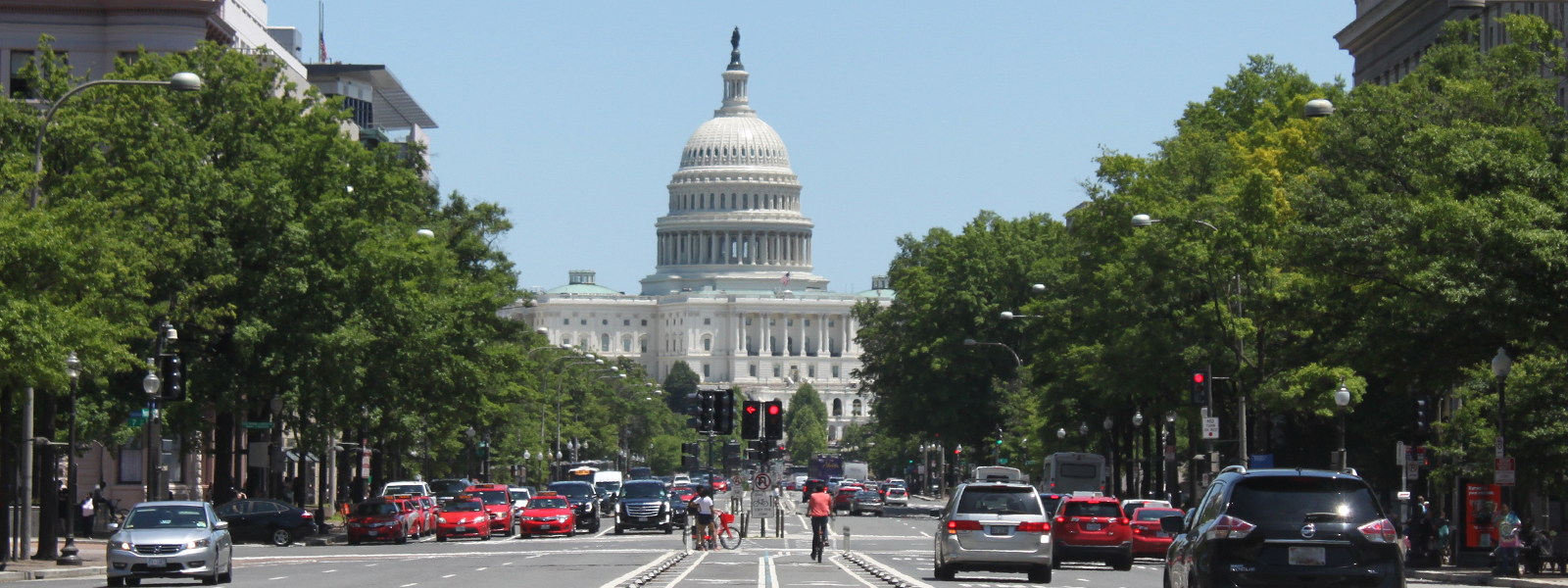
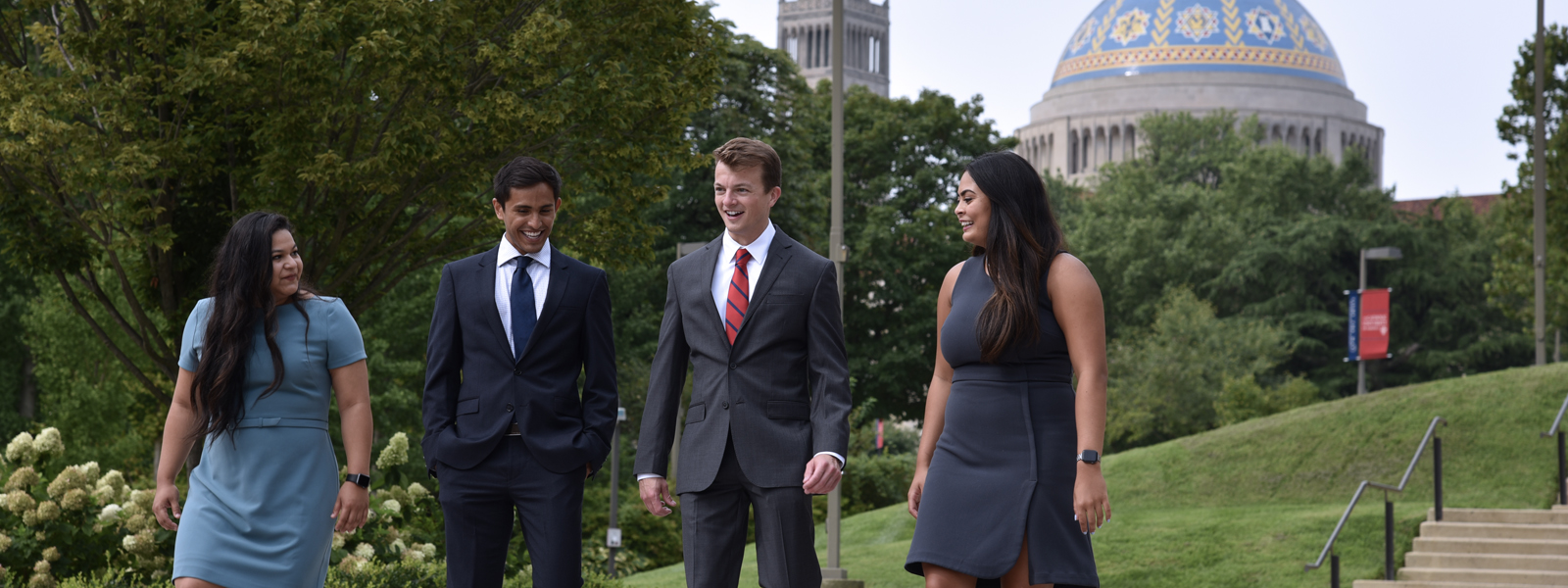
The Catholic University of America Columbus School of Law (Catholic Law) is located in Washington, D.C., just minutes from the White House, Capitol, Supreme Court, hundreds of federal agencies, non-profits, as well as some of the country’s most prestigious law firms. This provides you with unparalleled year-round access to professional experiences and connections.
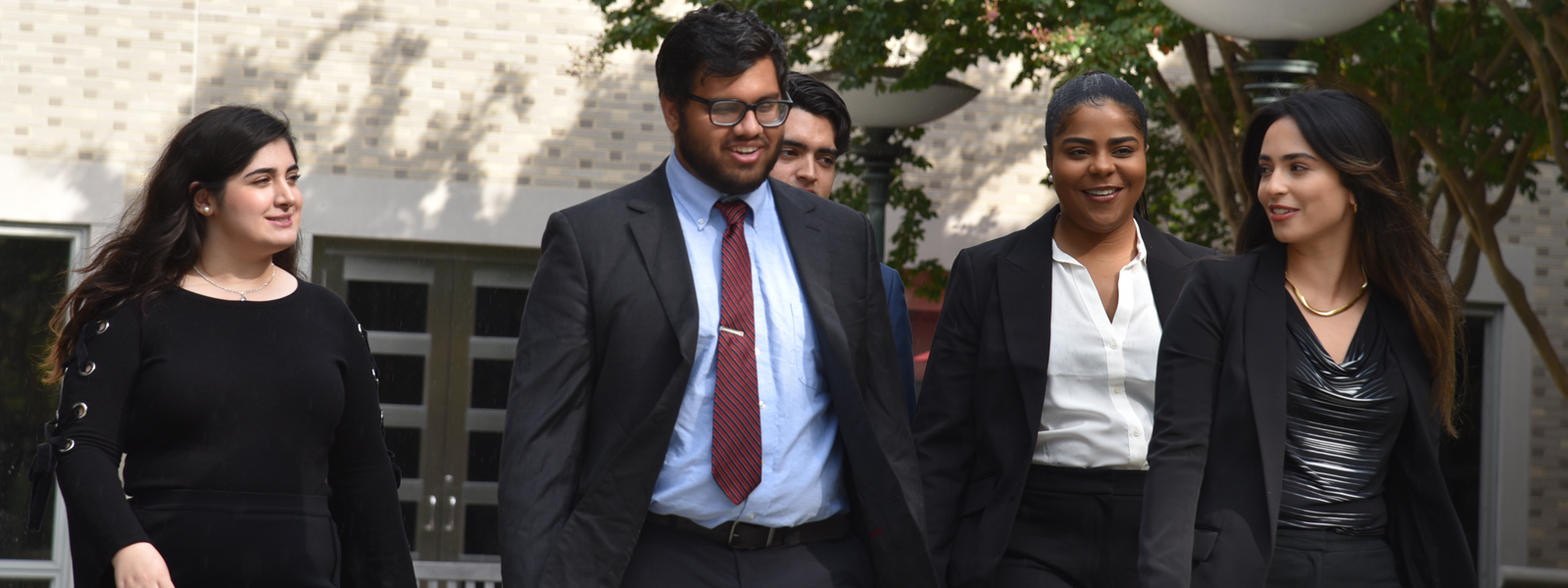
Catholic Law offers you the opportunity to forge new connections and to become part of a collegial community — with friends, professors, alumni, mentors, and employers — that will sustain you for a lifetime. Learn More

Catholic Law Students’ Share Summer Public Interest & Public Service Experiences 

Contemporary Challenges in American and Global Law Deepens International Connection in a Year Defined by Distance

Catholic Law's Washington, D.C., location allows for Excellent Year Round Externships

Catholic Law’s Immigrant and Refugee Advocacy Clinic Partners with Migration and Refugee Services for Comprehensive Report on Improving Care for Unaccompanied Minors

Meeting in Mock Trials: Catholic Law Alumni Meet During Air Force JAG School